

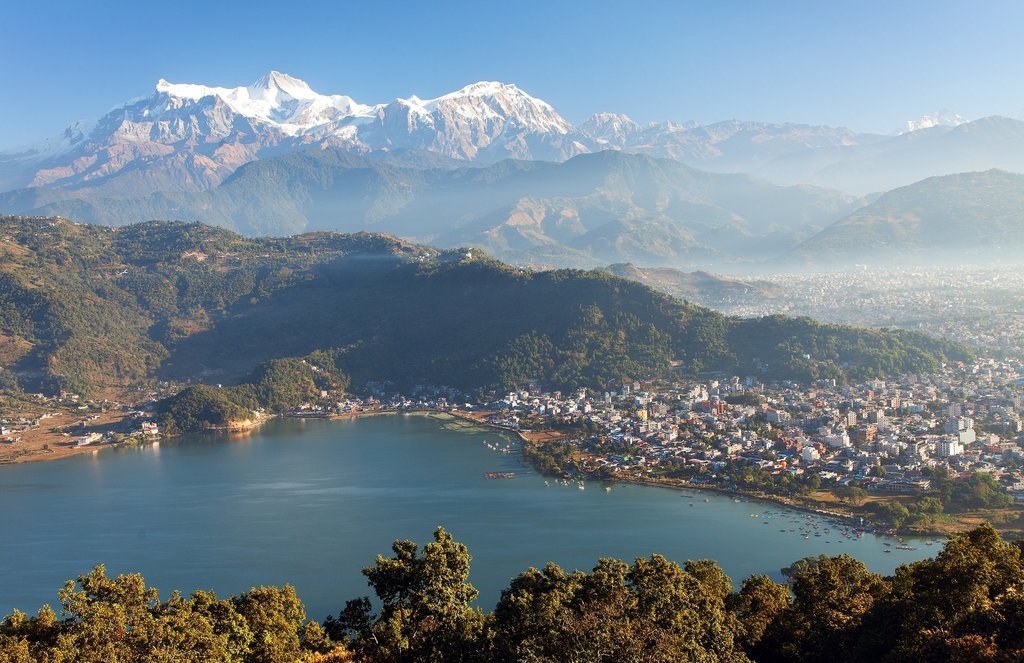
Nestled between China and India, Nepal is a land of breathtaking landscapes, rich culture, and timeless traditions. Renowned for its majestic mountains and serene valleys, this Himalayan gem offers visitors an experience like no other. If you’re planning a trip to Nepal, don’t miss out on exploring its vibrant cities, each with its unique charm and attractions.
Here are the top 10 cities you must visit in Nepal to make your journey unforgettable.
Kathmandu – The Capital of Culture
Nestled in the heart of the Himalayas, Kathmandu, the capital city of Nepal, is a mesmerizing blend of ancient history and vibrant modernity. As the cultural and spiritual hub of the country, it’s a city that enchants travelers with its centuries-old temples, bustling streets, and rich traditions. Whether you’re a history buff, spiritual seeker, or an adventure enthusiast, Kathmandu has something to offer for everyone.
A Journey Through History
Kathmandu is steeped in history, with roots that trace back to ancient times. It’s home to several UNESCO World Heritage Sites that showcase its cultural and architectural splendor. Walking through the streets of Kathmandu feels like stepping into a living museum where every corner tells a story.
Must-Visit Historical Sites:
- Durbar Square: Located in the heart of the city, this historical complex is adorned with ancient palaces, courtyards, and temples.
- Swayambhunath (Monkey Temple): Perched atop a hill, this iconic stupa offers panoramic views of the Kathmandu Valley.
- Pashupatinath Temple: A sacred Hindu temple dedicated to Lord Shiva, it’s one of the holiest sites in Nepal.
Spiritual Essence of Kathmandu
Kathmandu is a spiritual sanctuary, attracting pilgrims and seekers from around the world. The city’s temples and stupas are not just architectural wonders but also places of deep religious significance.
Spiritual Highlights:
- Boudhanath Stupa: One of the largest stupas in the world, it’s a focal point for Tibetan Buddhism in Nepal.
- Kopan Monastery: A serene retreat for meditation and learning Buddhist teachings.
- Ason Market: Known for its traditional offerings, it’s a spiritual and cultural experience rolled into one.
Exploring Kathmandu’s Vibrant Culture
The cultural diversity of Kathmandu is reflected in its festivals, food, and art. The city comes alive during its many festivals, such as Dashain, Tihar, and Indra Jatra, where traditions are celebrated with great zeal.
Cultural Experiences:
- Traditional Cuisine: Savor local dishes like momo (dumplings), Newari delicacies, and dal bhat (rice with lentils).
- Thamel District: A bustling hub for shopping, dining, and nightlife.
- Handicrafts and Souvenirs: Explore markets for unique crafts, jewelry, and Thangka paintings.
Adventure Awaits in Kathmandu
Beyond its cultural and spiritual appeal, Kathmandu is also a gateway to adventure. From hiking trails to thrilling activities, the city caters to adrenaline junkies and nature lovers.
Adventure Highlights:
- Everest Flight Tours: Experience breathtaking views of Mount Everest from the skies.
- Hiking in Shivapuri National Park: A haven for nature lovers with lush forests and serene trails.
- Mountain Biking: Explore the rugged terrains around the Kathmandu Valley.
Practical Tips for Travelers
- Best Time to Visit: Spring (March to May) and autumn (September to November) offer pleasant weather and clear skies.
- Getting Around: Use local taxis, rickshaws, or hire a guide for a hassle-free experience.
- Stay Options: From luxury hotels to budget-friendly guesthouses, Kathmandu has accommodations to suit every traveler.
Final Thoughts
Kathmandu is more than just a city; it’s a gateway to Nepal’s soul. With its rich history, spiritual essence, and vibrant culture, it offers a unique experience that stays with you long after your visit. Whether you’re exploring ancient temples, indulging in local cuisine, or embarking on an adventure, Kathmandu promises memories that will last a lifetime.
Plan Your Kathmandu Adventure Today!
Start your journey to the heart of Nepal and immerse yourself in the magic of Kathmandu. Share your travel stories and recommendations in the comments below – we’d love to hear from you!
Pokhara – Gateway to the Himalayas
Nestled in the heart of Nepal, Pokhara is a city that epitomizes tranquility and adventure. Known as the Gateway to the Himalayas, Pokhara is the starting point for many treks, including the famous Annapurna Circuit. This picturesque city is a haven for nature lovers, thrill-seekers, and those looking to escape the hustle and bustle of everyday life.
A Natural Paradise
Pokhara is renowned for its breathtaking natural beauty. With serene lakes, majestic mountains, and lush green valleys, it’s a destination that captivates visitors at first glance.
Must-Visit Natural Attractions:
- Phewa Lake: The second-largest lake in Nepal, perfect for boating and soaking in the views of the Annapurna range.
- Davis Falls: A unique waterfall where the water disappears into an underground tunnel.
- World Peace Pagoda: A stunning hilltop stupa offering panoramic views of the city, lake, and mountains.
The Adventure Hub of Nepal
For adrenaline junkies, Pokhara is the ultimate playground. The city offers a plethora of adventure activities that cater to all levels of thrill-seekers.
Adventure Highlights:
- Paragliding: Soar above the city and enjoy bird’s-eye views of Phewa Lake and the Himalayas.
- Trekking: Embark on iconic treks like the Annapurna Base Camp or the Ghorepani Poon Hill Trek.
- Zip-Lining: Experience one of the world’s longest and steepest zip lines.
Cultural and Spiritual Charm
Beyond its natural and adventurous appeal, Pokhara also has a rich cultural and spiritual side. The city is home to temples, monasteries, and local traditions that provide a deeper understanding of Nepali culture.
Cultural Experiences:
- Bindhyabasini Temple: One of the oldest temples in Pokhara, dedicated to the Hindu goddess Durga.
- International Mountain Museum: Learn about the history of mountaineering and the cultures of the Himalayas.
- Old Bazaar: Explore the traditional marketplace for unique handicrafts and local goods.
Gateway to Trekking
Pokhara’s strategic location makes it the ideal starting point for treks in the Annapurna region. Whether you’re a seasoned trekker or a beginner, the city provides access to trails that suit all levels of experience.
Popular Treks Starting from Pokhara:
- Annapurna Circuit: A challenging yet rewarding trek through diverse landscapes and cultures.
- Ghandruk Trek: A short and scenic trek perfect for beginners.
- Mardi Himal Trek: A less crowded trail offering stunning views of the Annapurna range.
Relaxation and Wellness
Pokhara is also a destination for relaxation and rejuvenation. The city’s peaceful ambiance and wellness centers make it an ideal place to unwind.
Relaxation Highlights:
- Spa and Yoga Retreats: Reconnect with your mind and body at one of Pokhara’s many wellness centers.
- Sunrise at Sarangkot: Witness a mesmerizing sunrise with the Himalayas as your backdrop.
- Lakeside Vibes: Stroll along the Lakeside area, filled with cafes, shops, and live music venues.
Practical Tips for Travelers
- Best Time to Visit: Spring (March to May) and autumn (September to November) are ideal for clear skies and pleasant weather.
- Getting Around: Rent a bike, take a taxi, or walk to explore the city at your own pace.
- Accommodation: From luxury resorts to cozy guesthouses, Pokhara offers a range of options to suit all budgets.
Final Thoughts
Pokhara is more than just a gateway; it’s a destination that promises unforgettable experiences. Whether you’re chasing adventure, seeking cultural enrichment, or simply looking to relax in a serene environment, Pokhara has it all. With its stunning landscapes, thrilling activities, and warm hospitality, it’s a city that will leave a lasting impression on your heart.
Plan Your Pokhara Adventure Today!
Ready to explore the Gateway to the Himalayas? Start planning your trip to Pokhara and discover why it’s one of Nepal’s most beloved destinations. Share your travel tips and experiences in the comments below – we can’t wait to hear from you!
Bhaktapur – The City of Devotees
Located just a short drive from Kathmandu, Bhaktapur is a city that transports visitors back in time. Known as the “City of Devotees,” Bhaktapur is renowned for its rich cultural heritage, ancient architecture, and vibrant traditions. As one of the three ancient cities in the Kathmandu Valley, Bhaktapur offers an immersive experience into Nepal’s historical and spiritual essence.
A Living Heritage
Bhaktapur is like an open-air museum, where centuries-old traditions are still alive. The city is a UNESCO World Heritage Site, celebrated for its well-preserved architecture and cultural landmarks.
Must-Visit Historical Sites:
- Bhaktapur Durbar Square: The heart of the city, this square is adorned with intricately carved temples, statues, and courtyards.
- Nyatapola Temple: A five-story pagoda-style temple, it is one of the tallest and most iconic structures in Nepal.
- 55 Window Palace: A stunning piece of art, this palace features 55 intricately carved wooden windows.
Spiritual Essence
As its name suggests, Bhaktapur is deeply rooted in spirituality. The city is home to numerous temples and religious sites that reflect its devout nature.
Spiritual Highlights:
- Taumadhi Square: Known for its vibrant atmosphere and the Nyatapola Temple, this square is a spiritual hub.
- Dattatreya Temple: A unique temple dedicated to the trinity of Brahma, Vishnu, and Shiva.
- Pottery Square: Beyond its artistic value, this area holds spiritual significance as pottery is used in various rituals and festivals.
Cultural Richness
Bhaktapur is a city that thrives on culture and craftsmanship. From its traditional festivals to its exquisite art, the city offers a glimpse into the soul of Nepal.
Cultural Experiences:
- Festivals: Witness grand celebrations like Bisket Jatra and Gai Jatra, which are deeply rooted in the city’s traditions.
- Handicrafts: Explore local workshops for pottery, wood carvings, and traditional masks.
- Cuisine: Savor local delicacies like Juju Dhau (king curd) and Newari dishes.
A Walk Through Time
Strolling through Bhaktapur’s narrow streets is like walking through history. Each corner reveals stunning architecture, bustling markets, and welcoming locals.
Highlights of a City Stroll:
- Traditional Homes: Admire the beautiful brick houses with carved wooden windows and doors.
- Local Markets: Discover vibrant bazaars selling fresh produce, spices, and handmade goods.
- Peaceful Courtyards: Find hidden courtyards where locals gather for daily rituals.
Practical Tips for Travelers
- Best Time to Visit: Spring (March to May) and autumn (September to November) are ideal for pleasant weather and festivals.
- Getting Around: Bhaktapur is best explored on foot to fully appreciate its charm.
- Entry Fee: A nominal fee is charged for international visitors to help preserve the city’s heritage.
- Accommodations: Stay in a traditional guesthouse or boutique hotel for an authentic experience.
Why Visit Bhaktapur?
Bhaktapur offers an unparalleled journey into Nepal’s cultural and spiritual roots. Unlike the bustling streets of Kathmandu, Bhaktapur provides a serene atmosphere that allows you to fully immerse yourself in its heritage. It’s a city that caters to history enthusiasts, art lovers, and anyone looking to connect with Nepal’s rich traditions.
Final Thoughts
Bhaktapur is more than just a destination; it’s a window into Nepal’s soul. With its stunning temples, vibrant culture, and warm hospitality, the “City of Devotees” is a must-visit for anyone exploring the Kathmandu Valley.
Plan Your Bhaktapur Visit Today!
Ready to step back in time and experience the magic of Bhaktapur? Start planning your trip and share your travel stories in the comments below. We can’t wait to hear about your journey to this timeless city!
Lalitpur (Patan) – The City of Fine Arts
Situated just across the Bagmati River from Kathmandu, Lalitpur, also known as Patan, is a city celebrated for its artistic heritage and exquisite craftsmanship. Known as the “City of Fine Arts,” Lalitpur is a treasure trove of ancient temples, stunning architecture, and vibrant cultural traditions. As one of the oldest cities in Nepal, it offers a harmonious blend of history, spirituality, and artistic excellence.
A Hub of Artistic Heritage
Lalitpur’s identity as the “City of Fine Arts” is evident in its meticulously crafted temples, palaces, and statues. The city is a UNESCO World Heritage Site and a living testament to Newari art and culture.
Must-Visit Historical Sites:
- Patan Durbar Square: The heart of Lalitpur, this square is adorned with ancient palaces, intricately carved temples, and traditional courtyards.
- Krishna Mandir: A stunning stone temple dedicated to Lord Krishna, known for its exquisite carvings and architecture.
- Golden Temple (Hiranya Varna Mahavihar): A sacred 12th-century monastery adorned with gold-plated metal work.
Spiritual and Cultural Essence
Lalitpur is deeply rooted in spirituality and culture, making it a city where tradition meets devotion. The city is dotted with ancient stupas, viharas, and temples that reflect its rich spiritual heritage.
Spiritual Highlights:
- Mahabouddha Temple: Often referred to as the “Temple of a Thousand Buddhas,” it’s an architectural masterpiece made entirely of terracotta tiles.
- Rudra Varna Mahavihar: An ancient Buddhist monastery housing a collection of statues, artifacts, and sacred texts.
- Kwa Bahal: A hidden gem, this courtyard is a serene spot for meditation and reflection.
The Art of Craftsmanship
Lalitpur is synonymous with craftsmanship. The city is home to skilled artisans who create intricate metalwork, wood carvings, and stone sculptures.
Cultural Experiences:
- Handicrafts: Visit local workshops to witness the creation of traditional paubha paintings, statues, and jewelry.
- Festivals: Participate in vibrant festivals like Rato Machindranath Jatra, which showcases the city’s devotion and community spirit.
- Cuisine: Indulge in Newari delicacies such as yomari, bara, and chatamari, which are as artistic as they are delicious.
A Walk Through Lalitpur
Exploring Lalitpur’s narrow streets and bustling alleys is like stepping into a living gallery. Every corner reveals a new piece of art or a glimpse into the city’s vibrant life.
Highlights of a City Stroll:
- Traditional Homes: Admire the beautifully carved wooden windows and doors that adorn traditional Newari homes.
- Local Markets: Explore markets filled with handmade crafts, textiles, and spices.
- Hidden Courtyards: Discover peaceful courtyards where locals gather for rituals and socializing.
Practical Tips for Travelers
- Best Time to Visit: Spring (March to May) and autumn (September to November) offer the best weather for exploring the city’s outdoor attractions.
- Getting Around: Lalitpur is best explored on foot or by bicycle to fully appreciate its charm.
- Entry Fee: A small fee is required for international visitors to help maintain the city’s heritage sites.
- Accommodations: Choose from boutique hotels and guesthouses that reflect Lalitpur’s artistic spirit.
Why Visit Lalitpur?
Lalitpur is a destination that offers a unique blend of art, history, and spirituality. Unlike the fast-paced energy of Kathmandu, Lalitpur provides a more tranquil and immersive experience. It’s a city that caters to art enthusiasts, history buffs, and anyone seeking inspiration from Nepal’s rich cultural tapestry.
Final Thoughts
Lalitpur, with its timeless artistry and vibrant traditions, is a must-visit for anyone exploring Nepal. The “City of Fine Arts” is more than just a destination; it’s an experience that leaves visitors inspired and enriched.
Plan Your Lalitpur Adventure Today!
Ready to discover the artistic heart of Nepal? Start planning your trip to Lalitpur and share your experiences in the comments below. We’d love to hear about your journey to this enchanting city!
Chitwan – Wildlife Haven
Nestled in the lowlands of Nepal, Chitwan is a haven for wildlife enthusiasts and nature lovers. Known for its lush landscapes and rich biodiversity, Chitwan offers an escape into the wild. The city’s crown jewel is Chitwan National Park, a UNESCO World Heritage Site that promises unforgettable encounters with some of the planet’s most majestic creatures.
A Natural Paradise
Chitwan’s natural beauty is unparalleled, with dense forests, grasslands, and rivers that provide a sanctuary for wildlife.
Must-Visit Attractions:
- Chitwan National Park: Spanning 932 square kilometers, this park is home to endangered species like the one-horned rhinoceros and Bengal tiger.
- Rapti River: A serene spot for sunset views and canoe rides, offering a chance to see gharials and other aquatic life.
- 20,000 Lake Area (Bishazari Tal): A haven for birdwatchers, this area hosts a variety of migratory and resident bird species.
Wildlife Adventures
Chitwan offers thrilling opportunities to connect with nature and observe wildlife in their natural habitat.
Top Activities:
- Jungle Safari: Explore the park on a jeep or elephant-back to spot rhinos, deer, sloth bears, and more.
- Bird Watching: With over 500 species of birds, Chitwan is a birdwatcher’s paradise.
- Canoe Rides: Drift along the Rapti or Narayani rivers to see crocodiles, otters, and colorful kingfishers.
Cultural Encounters
Chitwan is not only about wildlife; it’s also a place to experience the vibrant Tharu culture.
Cultural Highlights:
- Tharu Village Tour: Learn about the indigenous Tharu community, their traditions, and way of life.
- Tharu Cultural Show: Enjoy traditional dances and performances that showcase their rich heritage.
- Local Cuisine: Savor authentic Tharu dishes, including dhido, gundruk, and fish curry.
Adventure Beyond Wildlife
Chitwan also caters to adventure seekers with activities that get the adrenaline pumping.
Exciting Adventures:
- Canoeing and Boating: Navigate the calm rivers and take in the breathtaking surroundings.
- Cycling: Explore the lush countryside and nearby villages on two wheels.
- Elephant Bathing: Participate in or observe this playful activity at the elephant breeding center.
Practical Tips for Travelers
- Best Time to Visit: October to March offers the best weather for wildlife sightings and outdoor activities.
- Getting Around: Jeep safaris and guided tours are ideal for exploring the national park.
- Entry Fee: A fee is required for entering Chitwan National Park, which supports conservation efforts.
- Accommodations: Choose from eco-lodges, resorts, or community homestays for a comfortable stay.
Why Visit Chitwan?
Chitwan is a destination that offers something for everyone. From thrilling wildlife safaris to serene river experiences and rich cultural interactions, it’s a place where nature and humanity coexist in harmony. It’s a must-visit for anyone seeking adventure, tranquility, or a deeper connection with the natural world.
Final Thoughts
Chitwan’s wildlife, landscapes, and cultural richness make it an unforgettable destination in Nepal. Whether you’re spotting a rhino for the first time, enjoying a tranquil canoe ride, or dancing with the Tharu community, Chitwan will leave you with memories to cherish.
Plan Your Chitwan Adventure Today!
Ready to embark on a wild journey? Start planning your trip to Chitwan and share your experiences in the comments below. We’d love to hear about your adventures in this wildlife haven!
Lumbini – The Birthplace of Buddha
Lumbini, a sacred site located in the Rupandehi District of Nepal, is renowned as the birthplace of Siddhartha Gautama, who later became Gautama Buddha. This serene and spiritually significant destination draws pilgrims, history enthusiasts, and peace seekers from around the globe. Designated as a UNESCO World Heritage Site, Lumbini offers a harmonious blend of spirituality, history, and tranquility.
A Sacred Pilgrimage
For Buddhists and non-Buddhists alike, Lumbini holds immense spiritual and historical importance. The site is a profound symbol of peace and enlightenment.
Key Attractions in Lumbini:
- Maya Devi Temple: This iconic temple marks the exact spot where Queen Maya Devi gave birth to Siddhartha Gautama. The sacred marker stone and ancient ruins within the temple add to its reverence.
- Ashokan Pillar: Erected by Emperor Ashoka in 249 BCE, this pillar stands as a testament to his devotion to Buddhism and his visit to Lumbini.
- Sacred Garden: Surrounding the Maya Devi Temple, this tranquil garden is dotted with monasteries and meditation spots.
Monastic Zone: A Global Tribute to Peace
The monastic zone in Lumbini is a testament to the global reverence for Buddhism. Countries from around the world have built monasteries here, each reflecting unique architectural styles.
Highlights of the Monastic Zone:
- Myanmar Golden Temple: A stunning example of Burmese architecture, this temple exudes serenity and grandeur.
- Chinese Monastery: Featuring intricate carvings and traditional designs, this monastery reflects the essence of Chinese culture.
- World Peace Pagoda: Built by Japanese Buddhists, this white stupa stands as a symbol of global harmony and peace.
Spiritual Experiences in Lumbini
Lumbini offers visitors a chance to connect with their inner selves through meditation and mindfulness.
Spiritual Activities:
- Meditation Retreats: Join meditation sessions in the serene monasteries to experience inner peace.
- Walking Tours: Follow the sacred paths that Buddha’s mother walked, connecting with the site’s profound history.
- Lamp Lighting: Participate in the traditional practice of lighting oil lamps, symbolizing enlightenment.
Rich Historical Heritage
Lumbini’s historical significance extends beyond its religious importance. Archaeological discoveries in the area offer fascinating insights into ancient civilizations.
Archaeological Marvels:
- Puskarini Sacred Pond: Believed to be the pond where Queen Maya Devi took a ritual dip before Buddha’s birth.
- Tilaurakot: An ancient site believed to be the palace of King Suddhodana, Buddha’s father.
- Kudan Stupa: A significant site where Buddha is said to have met his father after attaining enlightenment.
Practical Tips for Travelers
- Best Time to Visit: October to March offers pleasant weather, making it ideal for exploring outdoor attractions.
- Getting Around: Lumbini can be explored on foot, by bicycle, or using electric rickshaws available locally.
- Entry Fee: While the main complex is free for pilgrims, some monasteries and attractions may charge a nominal fee.
- Accommodations: Choose from budget guesthouses, mid-range hotels, or luxury resorts catering to diverse preferences.
Why Visit Lumbini?
Lumbini is more than just a pilgrimage site; it’s a journey into the origins of one of the world’s most profound philosophies. It offers a unique opportunity to walk in the footsteps of Buddha and immerse oneself in a culture of peace and spirituality. Whether you’re seeking enlightenment, historical insights, or simply a place to unwind, Lumbini delivers on all fronts.
Final Thoughts
Lumbini, the birthplace of Buddha, stands as a beacon of peace, spirituality, and history. Its tranquil ambiance and profound significance make it a must-visit destination in Nepal. From ancient relics to international monasteries, every corner of Lumbini tells a story of devotion and harmony.
Plan Your Lumbini Journey Today!
Ready to explore the spiritual heart of Nepal? Start planning your visit to Lumbini and share your reflections in the comments below. We’d love to hear about your experiences in this sacred land!
Bandipur – The Living Museum
Perched atop a hill in the Tanahun District of Nepal, Bandipur is a beautifully preserved town that feels like stepping back in time. Known as “The Living Museum,” Bandipur offers a captivating blend of Newari culture, historic architecture, and breathtaking natural landscapes. This charming destination is a must-visit for those seeking an authentic Nepali experience away from the hustle and bustle of modern cities.
A Walk Through History
Bandipur’s rich history dates back to the 18th century when it served as an important trading hub. Today, it retains its traditional charm with well-preserved buildings and cobbled streets.
Key Attractions in Bandipur:
- Tundikhel: Once a parade ground, Tundikhel now offers panoramic views of the Annapurna and Manaslu mountain ranges.
- Bindhyabasini Temple: Dedicated to the goddess Durga, this temple is a serene spot for worship and reflection.
- Thani Mai Temple: A short hike up the hill leads to this temple, which offers stunning sunrise and sunset views.
- Old Bazaar: The heart of Bandipur, this vibrant area is lined with traditional Newari houses, shops, and cafes.
Cultural Richness
Bandipur is a living testament to Newari culture and traditions. The local festivals, rituals, and architectural styles provide a glimpse into the heritage of Nepal.
Cultural Highlights:
- Newari Architecture: Admire the intricately carved wooden windows and doors that adorn traditional houses.
- Local Festivals: Experience the vibrancy of festivals like Gaijatra and Maghe Sankranti.
- Ethnic Cuisine: Relish traditional dishes such as yomari, bara, and kwati at local eateries.
Adventures in Nature
Surrounded by lush hills and pristine forests, Bandipur is an adventurer’s paradise.
Outdoor Activities:
- Hiking: Explore nearby trails that lead to Siddha Cave, one of the largest caves in South Asia, or Ramkot Village for an authentic rural experience.
- Rock Climbing: Test your skills on the natural rock faces around Bandipur.
- Paragliding: Soar over the picturesque landscapes for a bird’s-eye view of the town and surrounding valleys.
Preserving Heritage
Bandipur stands out for its commitment to preserving its historical and cultural essence. The community has actively resisted modernization that could disrupt its traditional charm.
Heritage Conservation:
- Vehicle-Free Zone: The Old Bazaar area is a pedestrian-only zone, allowing visitors to fully immerse themselves in the ambiance.
- Sustainable Tourism: Local initiatives promote eco-friendly practices to maintain Bandipur’s pristine environment.
- Community Homestays: Stay with local families to support sustainable tourism and experience their way of life.
Practical Tips for Travelers
- Best Time to Visit: September to November and March to May offer the best weather for outdoor activities and sightseeing.
- Getting There: Bandipur is easily accessible by road, located midway between Kathmandu and Pokhara.
- Accommodations: From boutique hotels to cozy homestays, Bandipur offers a range of options for a comfortable stay.
- Local Etiquette: Respect local customs and dress modestly, especially when visiting temples.
Why Visit Bandipur?
Bandipur is more than just a destination; it’s an experience that combines history, culture, and nature. Whether you’re exploring ancient temples, enjoying local delicacies, or hiking through scenic trails, Bandipur offers something for everyone. Its tranquil environment and warm hospitality make it an ideal getaway for travelers seeking a unique and enriching experience.
Final Thoughts
Bandipur truly lives up to its name as “The Living Museum.” Its timeless charm, cultural richness, and stunning landscapes make it one of Nepal’s hidden gems. Whether you’re a history enthusiast, nature lover, or cultural explorer, Bandipur promises memories that will last a lifetime.
Plan Your Bandipur Adventure Today!
Ready to step into Nepal’s living history? Start planning your visit to Bandipur and share your stories in the comments below. We’d love to hear about your experiences in this enchanting town!
Tansen – A Hidden Gem
Nestled in the Palpa District of western Nepal, Tansen is a picturesque hill town often overlooked by mainstream tourists. Known for its rich history, vibrant culture, and stunning landscapes, Tansen is a true hidden gem waiting to be discovered. This charming town offers a unique blend of traditional Newari architecture, serene natural beauty, and a warm, welcoming atmosphere.
A Glimpse into Tansen’s History
Tansen holds a special place in Nepal’s history as the seat of the Sen Dynasty, which ruled parts of western Nepal for centuries. Its strategic location made it a significant trading hub and cultural melting pot.
Key Historical Sites:
- Tansen Durbar: This historic palace, built during the Sen Dynasty, stands as a testament to the town’s royal heritage. Though partially damaged, it remains a significant attraction.
- Shreenagar Hill: A site of strategic importance during ancient times, it now serves as a popular viewpoint offering panoramic views of the Himalayas and surrounding valleys.
- Amar Narayan Temple: A beautifully carved pagoda-style temple dedicated to Lord Vishnu, showcasing Newari craftsmanship.
Cultural Richness and Traditions
Tansen is a living repository of Newari culture, blended with influences from other ethnic groups like Magars and Brahmins.
Cultural Highlights:
- Traditional Handicrafts: Tansen is famous for its locally woven Dhaka fabric, used to make traditional Nepali attire like Dhaka topis and shawls.
- Local Festivals: Experience vibrant celebrations such as Ropain Jatra (a rice-planting festival) and Maghe Sankranti.
- Ethnic Cuisine: Relish authentic Nepali dishes like sel roti, gundruk, and yomari at local eateries.
Natural Beauty and Outdoor Adventures
Surrounded by lush green hills, Tansen is a haven for nature lovers and adventure enthusiasts.
Outdoor Activities:
- Hiking Trails: Explore scenic routes like the hike to Rani Mahal, a riverside palace often called the “Taj Mahal of Nepal.”
- Birdwatching: The forests around Tansen are home to a variety of bird species, making it a paradise for birdwatchers.
- Shreenagar Hill Trek: A must-do for breathtaking sunrise and sunset views over the Annapurna and Dhaulagiri ranges.
Unique Attractions in Tansen
Tansen offers experiences and attractions that set it apart from other hill towns in Nepal.
Notable Landmarks:
- Rani Mahal: This romantic riverside palace, built in memory of Queen Tej Kumari, is a symbol of love and devotion.
- Tundikhel: A large open ground that serves as a recreational area and offers stunning views of the surrounding hills.
- Palpali Dhaka Industry: Visit local workshops to witness the weaving of the iconic Dhaka fabric.
Practical Tips for Travelers
- Best Time to Visit: March to May and September to November provide pleasant weather for sightseeing and outdoor activities.
- Getting There: Tansen is easily accessible by road, located between the popular cities of Pokhara and Lumbini.
- Accommodations: Choose from cozy guesthouses and mid-range hotels offering comfortable stays with local hospitality.
- Local Etiquette: Dress modestly and respect local customs, especially when visiting religious sites.
Why Visit Tansen?
Tansen’s charm lies in its perfect combination of history, culture, and nature. Whether you’re exploring ancient temples, hiking through pristine trails, or immersing yourself in the local way of life, Tansen offers an enriching experience that’s hard to find elsewhere. Its off-the-beaten-path appeal makes it an ideal destination for those seeking tranquility and authenticity.
Final Thoughts
Tansen is more than just a hill town; it’s a journey into Nepal’s past and present. Its unique blend of natural beauty, cultural heritage, and warm hospitality makes it a must-visit destination. Escape the crowds and uncover the hidden gem that is Tansen.
Plan Your Tansen Adventure Today!
Ready to explore one of Nepal’s best-kept secrets? Start planning your trip to Tansen and share your experiences in the comments below. We’d love to hear your stories and travel tips!
Janakpur – The City of Temples
Janakpur, located in the southern plains of Nepal, is a vibrant city steeped in mythology, history, and culture. Renowned as the birthplace of Goddess Sita and the site of her marriage to Lord Ram, this ancient city is a major pilgrimage destination for Hindus. With its exquisite temples, colorful festivals, and rich traditions, Janakpur offers a spiritual and cultural experience unlike any other.
A Historical and Mythological Overview
Janakpur holds immense significance in Hindu mythology as the capital of the ancient Mithila Kingdom, ruled by King Janak. According to the Ramayana, this is where Sita was born and where her swayamvar (marriage ceremony) took place.
Key Historical and Mythological Sites:
- Janaki Mandir: The most iconic landmark of Janakpur, this grand temple dedicated to Goddess Sita is a masterpiece of Mughal and Koiri architecture.
- Ram Mandir: A serene temple dedicated to Lord Ram, attracting pilgrims and devotees from across the world.
- Vivah Mandap: A beautifully decorated structure marking the spot where Sita and Ram were married.
Spiritual Significance
Janakpur is considered one of the holiest cities for Hindus, drawing pilgrims year-round for prayers, rituals, and festivals.
Religious Highlights:
- Pilgrimage Trails: Explore sacred ponds like Ganga Sagar and Dhanush Sagar, believed to hold spiritual and purifying powers.
- Festivals: Witness grand celebrations during festivals like Vivah Panchami, Ram Navami, and Chhath Puja.
- Poojas and Rituals: Participate in traditional rituals at the temples, offering a glimpse into the city’s spiritual fabric.
Cultural Richness of Janakpur
Janakpur is the cultural heart of the Mithila region, showcasing the art, traditions, and lifestyle of the Maithili people.
Cultural Highlights:
- Maithili Art: Admire vibrant Mithila paintings, a traditional art form depicting mythological stories and daily life.
- Traditional Attire: Observe locals dressed in colorful Maithili clothing, adding to the city’s charm.
- Local Cuisine: Savor authentic Maithili dishes like pua, dahi-chura, and makhan (butter) in local eateries.
Unique Experiences in Janakpur
From spiritual enlightenment to cultural exploration, Janakpur offers diverse experiences for travelers.
Must-Visit Attractions:
- Dhanushadham: A sacred site associated with Lord Ram’s legendary bow, located a short distance from Janakpur.
- Maithili Villages: Take a tour of nearby villages to experience traditional Maithili lifestyle and hospitality.
- Local Markets: Shop for unique handicrafts, Mithila paintings, and traditional jewelry as souvenirs.
Practical Tips for Travelers
- Best Time to Visit: October to March, when the weather is pleasant, and major festivals take place.
- Getting There: Janakpur is accessible by road and air, with regular flights from Kathmandu.
- Accommodations: From budget-friendly lodges to mid-range hotels, Janakpur offers a variety of stay options.
- Local Etiquette: Dress modestly, especially when visiting temples, and respect local customs.
Why Visit Janakpur?
Janakpur’s allure lies in its unique combination of mythology, spirituality, and culture. Whether you’re a pilgrim seeking divine blessings, a history enthusiast exploring ancient legends, or a traveler captivated by vibrant traditions, Janakpur promises a memorable experience. Its serene temples, lively festivals, and warm hospitality make it a destination like no other.
Final Thoughts
Janakpur is not just a city; it’s a journey into the spiritual and cultural essence of Nepal. From the sacred Janaki Mandir to the artistic Maithili villages, every corner of this city tells a story of devotion and heritage.
Plan Your Janakpur Journey Today!
Ready to immerse yourself in the spiritual splendor of Janakpur? Start planning your visit and share your experiences with us in the comments below. We’d love to hear your insights and travel tips!
Ilam – The Tea Haven: Discover Nepal’s Best-Kept Secret
Nestled in the eastern hills of Nepal, Ilam is a picturesque region famous for its lush tea gardens, serene landscapes, and rich cultural heritage. Often referred to as “The Tea Haven,” this tranquil town offers not only breathtaking views but also some of the finest tea in the world. In this article, we’ll explore what makes Ilam a must-visit destination for tea lovers and adventure seekers alike.
Why Ilam is Known as the Tea Haven
Ilam’s reputation as the “Tea Haven” stems from its high-quality tea production. The region’s tea estates are located in the ideal climate for growing tea: cool, misty mornings, and sunny afternoons. The rich soil, combined with an altitude of 1,000 to 2,000 meters above sea level, provides the perfect conditions for cultivating a variety of tea, especially the renowned Ilam Tea.
Ilam Tea: A World-Class Delight
Ilam Tea is a type of black tea that has garnered international recognition for its smooth, aromatic taste and robust flavor. The region’s unique blend of rainfall, temperature, and elevation contributes to the tea’s distinct characteristics. Local farmers have passed down the art of tea cultivation for generations, and their expertise has helped Ilam become a significant player in the global tea industry.
Some popular varieties of Ilam tea include:
- Ilam Black Tea: Known for its strong, full-bodied flavor.
- Ilam Green Tea: A light, refreshing tea with a delicate aroma.
- Ilam White Tea: A rare and exquisite variety, highly prized for its subtlety and smoothness.
For tea enthusiasts, Ilam offers an opportunity to explore the tea-growing process, from plucking the leaves to tasting the final brew.
Things to Do in Ilam
While Ilam is primarily known for its tea gardens, there is much more to this charming destination. If you’re planning to visit, here are some must-see attractions:
1. Explore the Tea Gardens
The tea gardens of Ilam are a major highlight. A visit to these expansive plantations offers an insight into the meticulous process of tea cultivation. You can take a guided tour, where you’ll learn about the different types of tea grown in the region, the harvesting process, and the traditional methods used in tea processing.
2. Ilam’s Stunning Landscapes
The town is surrounded by breathtaking hills, lush forests, and serene lakes, making it a perfect destination for nature lovers. The picturesque views from the tea gardens provide a peaceful escape from the hustle and bustle of city life.
- Kanyam Tea Garden: One of the most popular tea estates in Ilam, Kanyam Tea Garden offers panoramic views of the surrounding hills and valleys. It’s a perfect spot to relax, sip some fresh Ilam tea, and enjoy the scenery.
- Antu Danda: Known for its spectacular sunrise views, Antu Danda is one of the highest points in Ilam. It’s a great spot for hikers and photographers.
- Mai Pokhari: A serene lake located near Ilam, Mai Pokhari is an excellent location for birdwatching and peaceful walks amidst nature.
3. Cultural and Religious Sites
Ilam is also home to several cultural and religious landmarks. The town is known for its diverse community, which includes ethnic groups like Limbu, Rai, and Sherpa. Some notable sites include:
- Ilam Durbar: A historical palace that reflects the region’s royal past.
- Pathibhara Temple: A significant Hindu pilgrimage site, located at the top of a hill. Devotees from all over Nepal visit this temple, which is dedicated to the goddess Pathibhara.
4. Hiking and Trekking
Ilam offers a number of trekking routes that take you through its verdant landscapes. Whether you’re a beginner or an experienced trekker, you’ll find something that suits your level of fitness. Popular treks include those leading to Antu Danda, the summit of which provides stunning panoramic views of the surrounding hills and valleys.
Best Time to Visit Ilam
The best time to visit Ilam is between March and May and September to November. During these months, the weather is mild, and the region is at its most beautiful, with lush greenery and clear skies. The monsoon season, from June to August, is best avoided due to heavy rainfall, which can hinder travel and outdoor activities.
How to Get to Ilam
Ilam is well-connected by road to major cities like Kathmandu and Biratnagar. From Kathmandu, the drive takes approximately 12-14 hours, while from Biratnagar, it’s around 6-8 hours. The town is also accessible by public buses, private vehicles, or even by air, with the nearest airport being in Biratnagar.
Tea Tourism: A Growing Trend in Ilam
In recent years, tea tourism has been growing rapidly in Ilam. Many tourists come to the region not just for sightseeing, but to experience the full tea journey – from the cultivation of the leaves to the final brew. Many tea estates offer tea-tasting sessions, farm stays, and tea-picking experiences, allowing visitors to immerse themselves in the local tea culture.
Why You Should Visit Ilam
Whether you’re a tea enthusiast, a nature lover, or a culture seeker, Ilam has something special to offer. From sipping world-class tea to exploring the mesmerizing landscapes, there’s no shortage of activities to make your visit unforgettable.
Tea Lovers: Ilam is a paradise for anyone who loves tea. With its high-quality teas, many of which can be purchased directly from the estates, it’s a place to not only taste but also learn about tea production.
Nature Enthusiasts: The breathtaking views, serene lakes, and lush hills make Ilam a perfect escape from the fast-paced world.
Cultural Experience: From exploring local temples to interacting with the diverse communities, Ilam offers a rich cultural experience.
Conclusion: Experience the Charm of Ilam
Ilam is not just a place—it’s an experience. Whether you’re here to indulge in its world-famous tea, trek through its scenic landscapes, or immerse yourself in its vibrant culture, you’re sure to leave with unforgettable memories. So, pack your bags and head to Ilam—the Tea Haven of Nepal!
Call to Action: Ready to explore Ilam’s tea gardens and picturesque landscapes? Book your trip today and experience the finest teas and scenic beauty Nepal has to offer!


Comment (0)