

The Best Time to Visit Nepal’s Iconic Festivals: A Cultural Journey Through Tradition
Nepal, a land of rich history, diverse cultures, and breathtaking landscapes, is also home to some of the most vibrant and unique festivals in the world. From religious observances to cultural celebrations, Nepal’s festivals offer a deep dive into its traditions, values, and way of life. If you’re planning to visit Nepal, timing your trip around one of these iconic festivals can make your experience even more memorable.
In this guide, we’ll explore the best time to visit Nepal’s iconic festivals, what to expect from each celebration, and how you can fully immerse yourself in the country’s colorful traditions.
Why Visit Nepal During a Festival?
Before diving into the specifics, you might wonder: Why should I visit Nepal during a festival? Here are some compelling reasons:
- Cultural Immersion: Festivals are an excellent opportunity to experience Nepalese culture, art, music, and food firsthand.
- Vibrancy and Energy: The atmosphere during festivals is full of life, with streets adorned in colorful decorations, music filling the air, and locals participating in traditional dances and rituals.
- Unique Experiences: Festivals offer unique cultural experiences that you won’t find during regular tourist visits. You can witness ancient rituals, see traditional costumes, and partake in local customs.
- Great Photo Opportunities: Festivals are perfect for photography enthusiasts, offering a chance to capture vibrant colors, religious rituals, and unique cultural practices.
Now, let’s dive into the best times to visit Nepal and enjoy its iconic festivals.
- Dashain: Nepal’s Biggest Festival (September/October)
When to Visit: Late September to early October
Dashain is the most significant festival in Nepal, celebrated by people of all castes and communities. This 15-day long festival marks the victory of good over evil and is dedicated to the goddess Durga. It is similar to the Indian festival of Dussehra but has its own distinct rituals.
What to Expect:
- Family Gatherings: Dashain is a time for families to reunite, exchange blessings, and celebrate together. Many people travel back to their ancestral villages.
- Animal Sacrifice: One of the most unique aspects of Dashain is the ritual sacrifice of goats, buffaloes, and chickens to appease the goddess Durga. This can be a powerful and culturally significant experience for visitors.
- Traditional Dances and Music: Throughout the festival, you can witness traditional dances like Ghatu, Bhaun, and Deuda.
- Kites and Feasts: During Dashain, flying kites is a common pastime, and families prepare delicious feasts, including traditional Newari cuisine.
Why Visit:
Visiting Nepal during Dashain provides a chance to witness the immense cultural significance of family, rituals, and religious traditions. You’ll also get to experience the joyous atmosphere that fills the entire country.
- Tihar: Festival of Lights (October/November)
When to Visit: October to November
Tihar, also known as the Festival of Lights, is another popular festival in Nepal. This five-day celebration honors various animals, including dogs, cows, and crows, as well as the goddess Laxmi, the goddess of wealth and prosperity.
What to Expect:
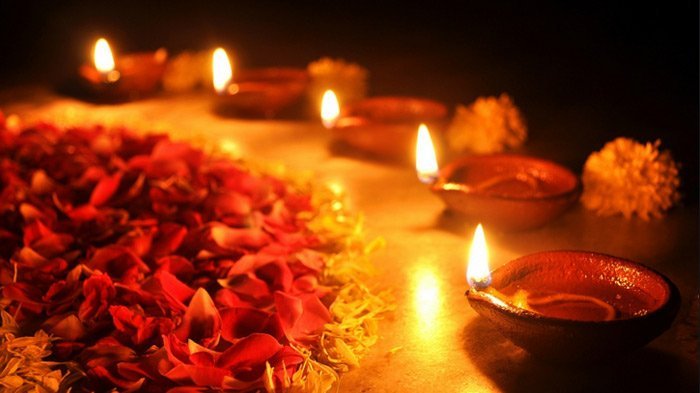
- Lights Everywhere: Homes, streets, and temples are decorated with thousands of oil lamps, candles, and colorful lights, creating a stunning sight after dark.
- Animal Worship: On specific days of the festival, animals such as dogs, cows, and even crows are adorned with garlands, and prayers are offered to honor their significance in Nepali culture.
- Rangoli: People create beautiful Rangoli (colorful floor designs) and decorations made from flower petals and colored powders.
- Diyas and Fireworks: The sky is illuminated with fireworks, while homes glow with diyas (oil lamps), making Tihar one of the most visually spectacular festivals in Nepal.
Why Visit:
Tihar’s festive ambiance, glowing lights, and animal reverence provide an unforgettable experience for visitors. It’s a great time to see how the Nepalese people celebrate their relationships with animals and nature.
- Holi: The Festival of Colors (March)
When to Visit: March (Full Moon Day)
Holi, widely known as the Festival of Colors, is celebrated by Hindus across Nepal. The festival signifies the arrival of spring and the victory of good over evil. It is a joyous celebration marked by the throwing of vibrant colored powders.
What to Expect:
- Colorful Celebrations: The streets become a riot of colors as people throw powdered pigments at each other. It’s a fun-filled, chaotic, and incredibly joyful experience.
- Bonfires and Rituals: The first day of Holi is marked by a bonfire known as Holika Dahan, where people gather to burn effigies symbolizing evil spirits.
- Traditional Songs and Dances: The festival is accompanied by music, dances, and traditional rituals that celebrate the triumph of good over evil.
Why Visit:
If you want to experience a truly fun and interactive festival, Holi is perfect. Get ready for a day of vibrant colors, joyous celebrations, and unforgettable moments.
- Buddha Jayanti: Birth of Lord Buddha (April/May)
When to Visit: April to May (Full Moon Day)
Buddha Jayanti is a significant festival in Nepal, particularly for those in the Buddhist community. It commemorates the birth, enlightenment, and death anniversary of Lord Buddha. Lumbini, the birthplace of Buddha, sees the largest celebrations, but events take place throughout the country.
What to Expect:
- Peaceful Celebrations: The day is marked by peaceful prayers, chanting, and offerings at Buddhist stupas and monasteries.
- Cultural Programs: Various religious and cultural programs, including debates and spiritual discourses, take place at Buddhist centers.
- Processions: In Lumbini and other Buddhist areas, large processions are held, with people carrying statues of Buddha and offering prayers.
Why Visit:
If you want to experience a more serene and spiritual side of Nepal, Buddha Jayanti offers a calm atmosphere for reflection and reverence. It’s a wonderful time to visit Lumbini and explore the country’s Buddhist heritage.
- Shivaratri: Lord Shiva’s Night (February/March)
When to Visit: February to March (Date Varies)
Shivaratri, or the Night of Shiva, is a major Hindu festival that honors Lord Shiva. It is observed with fasting, night vigils, and prayers. The most famous celebration occurs at the Pashupatinath Temple in Kathmandu, where thousands of devotees gather.
What to Expect:
- Night Vigil and Prayers: Devotees stay up all night chanting hymns, offering prayers, and performing rituals in temples across Nepal.
- The Pashupatinath Festival: The temple grounds are filled with pilgrims, ascetics, and sadhus, creating an intense spiritual atmosphere.
- Bonfires and Offerings: People light bonfires, perform offerings of milk, fruit, and flowers, and make offerings to Lord Shiva.
Why Visit:
For those interested in Hinduism and spiritual practices, Shivaratri offers a unique opportunity to witness intense devotion and rituals. It’s an immersive cultural experience.
Conclusion: Celebrate Nepal’s Festivals for an Unforgettable Experience
Whether you’re drawn to the vibrant colors of Holi, the spiritual depth of Buddha Jayanti, or the joyous lights of Tihar, Nepal’s festivals offer something for everyone. The best time to visit really depends on which festival resonates most with your interests. By planning your trip around one of these iconic festivals, you’ll gain a deeper understanding of Nepal’s rich cultural heritage and create lasting memories.
Call to Action: Ready to immerse yourself in Nepal’s vibrant festivals? Plan your trip today and experience the energy, traditions, and spiritual depth of this beautiful country!


Comment (0)