

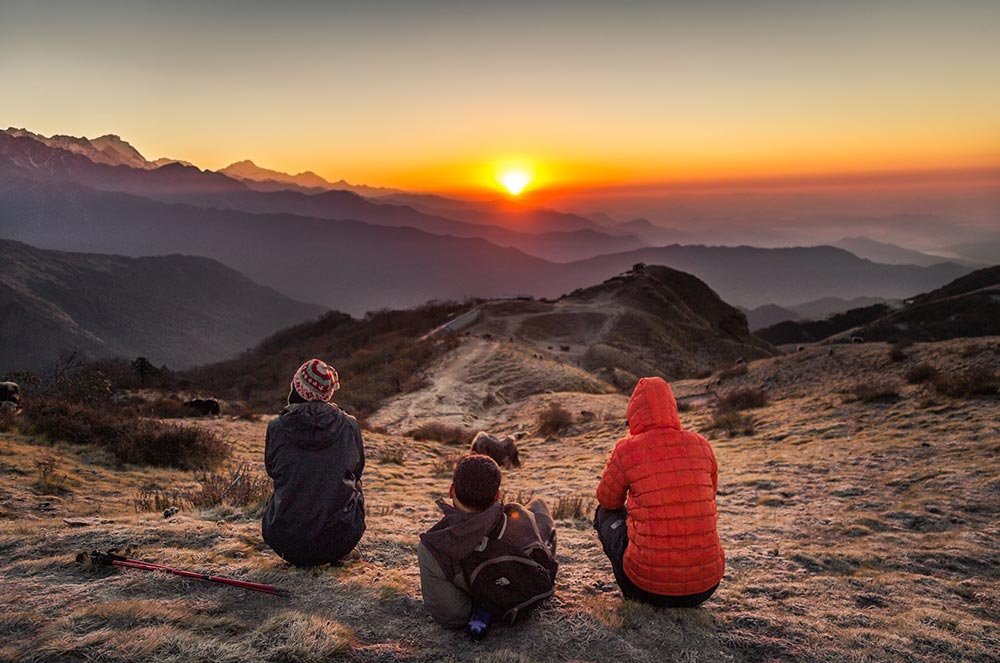
Nepal, with its towering peaks, vibrant culture, and serene landscapes, is a paradise for photographers. Whether you’re a seasoned professional or an enthusiastic hobbyist, the opportunities to capture stunning shots in Nepal are endless. From the iconic Himalayas to ancient temples, here are the best photography spots in Nepal that promise breathtaking images.
1. Everest Region: The Roof of the World
The Everest region is a bucket-list destination for photographers. Home to Mount Everest, the world’s highest peak, this area offers unparalleled mountain vistas and opportunities to capture the local Sherpa culture.
• Key Spots:
Kala Patthar: Best for sunrise shots of Everest.
Tengboche Monastery: A serene setting with a Himalayan backdrop.
• Photography Tips: Use a wide-angle lens to capture the grandeur of the mountains and a telephoto lens for close-ups of Everest.
2. Annapurna Circuit: A Trekker’s Dream
The Annapurna region boasts diverse landscapes, from lush forests to arid high-altitude deserts. It’s one of Nepal’s most popular trekking routes and a treasure trove for photographers.
• Key Spots:
Poon Hill: Famous for panoramic sunrise views of the Annapurna and Dhaulagiri ranges.
Manang Village: Offers a unique blend of Tibetan culture and dramatic landscapes.
• Photography Tips: Capture the golden hour for the best lighting and pack lightweight gear for trekking.
3. Kathmandu Valley: Temples and Heritage
Kathmandu Valley is a cultural and architectural wonder. With its UNESCO World Heritage Sites, vibrant streets, and historical monuments, the valley offers endless photographic opportunities.
• Key Spots:
Swayambhunath Stupa (Monkey Temple): Iconic for its panoramic views of Kathmandu.
Bhaktapur Durbar Square: Known for its intricate woodwork and ancient temples.
• Photography Tips: Early mornings offer fewer crowds and softer light for architectural photography.
4. Pokhara: The Gateway to Adventure
Nestled beside Phewa Lake and surrounded by the Annapurna range, Pokhara is a picturesque city that serves as a starting point for many treks.
• Key Spots:
Phewa Lake: Capture the reflections of the Annapurna peaks.
Sarangkot: Famous for sunrise and paragliding shots.
• Photography Tips: Use a tripod for lake reflections and try long exposures to capture the tranquil atmosphere.
5. Chitwan National Park: Wildlife and Nature
Chitwan National Park is a UNESCO World Heritage Site and a haven for wildlife photography. From Bengal tigers to one-horned rhinoceroses, the park offers a chance to capture Nepal’s rich biodiversity.
• Key Spots:
Rapti River: Ideal for sunset shots with wildlife.
Jungle Safaris: Best for spotting exotic animals.
• Photography Tips: Bring a telephoto lens for wildlife and maintain a safe distance.
6. Gokyo Lakes: Pristine Beauty
The turquoise waters of the Gokyo Lakes set against snow-capped peaks create a mesmerizing scene. These high-altitude lakes are perfect for landscape photography.
• Key Spots:
Fifth Lake: Offers the best views of Everest and surrounding peaks.
Gokyo Ri: A viewpoint for panoramic shots of the lakes and Himalayas.
• Photography Tips: Polarizing filters help enhance the water’s color and reduce glare.
7. Lumbini: The Birthplace of Buddha
Lumbini, the birthplace of Lord Buddha, is a peaceful and spiritual destination. It’s an excellent spot for capturing Buddhist culture and architecture.
• Key Spots:
Maya Devi Temple: The central landmark in Lumbini.
Monastic Zone: Features monasteries from various countries.
• Photography Tips: Respect the sacred atmosphere and avoid using flash in temples.
8. Upper Mustang: A Hidden Gem
Upper Mustang is a remote and culturally rich region, often referred to as the “Last Forbidden Kingdom.” Its barren landscapes and ancient monasteries offer unique photographic opportunities.
• Key Spots:
Lo Manthang: The walled city with traditional Tibetan architecture.
Kali Gandaki Gorge: One of the deepest gorges in the world.
• Photography Tips: Capture the interplay of light and shadow on the desert-like terrain.
Essential Photography Tips for Nepal
• Plan for Weather Variability: Nepal’s weather can change quickly. Be prepared with weather-sealed equipment and protective gear.
• Acclimatize to Altitude: High-altitude regions can affect your stamina. Take it slow to ensure you’re at your best for photography.
• Respect Local Customs: Always ask permission before photographing people, especially in rural areas.
• Carry Extra Batteries and Memory Cards: Cold temperatures can drain batteries quickly, so come prepared.
Call to Action
Ready to capture Nepal’s beauty through your lens? Start planning your photography adventure today! Share this guide with fellow photographers and explore our detailed travel tips to make the most of your trip. Nepal’s awe-inspiring landscapes and cultural treasures await your creativity.


Comment (0)