

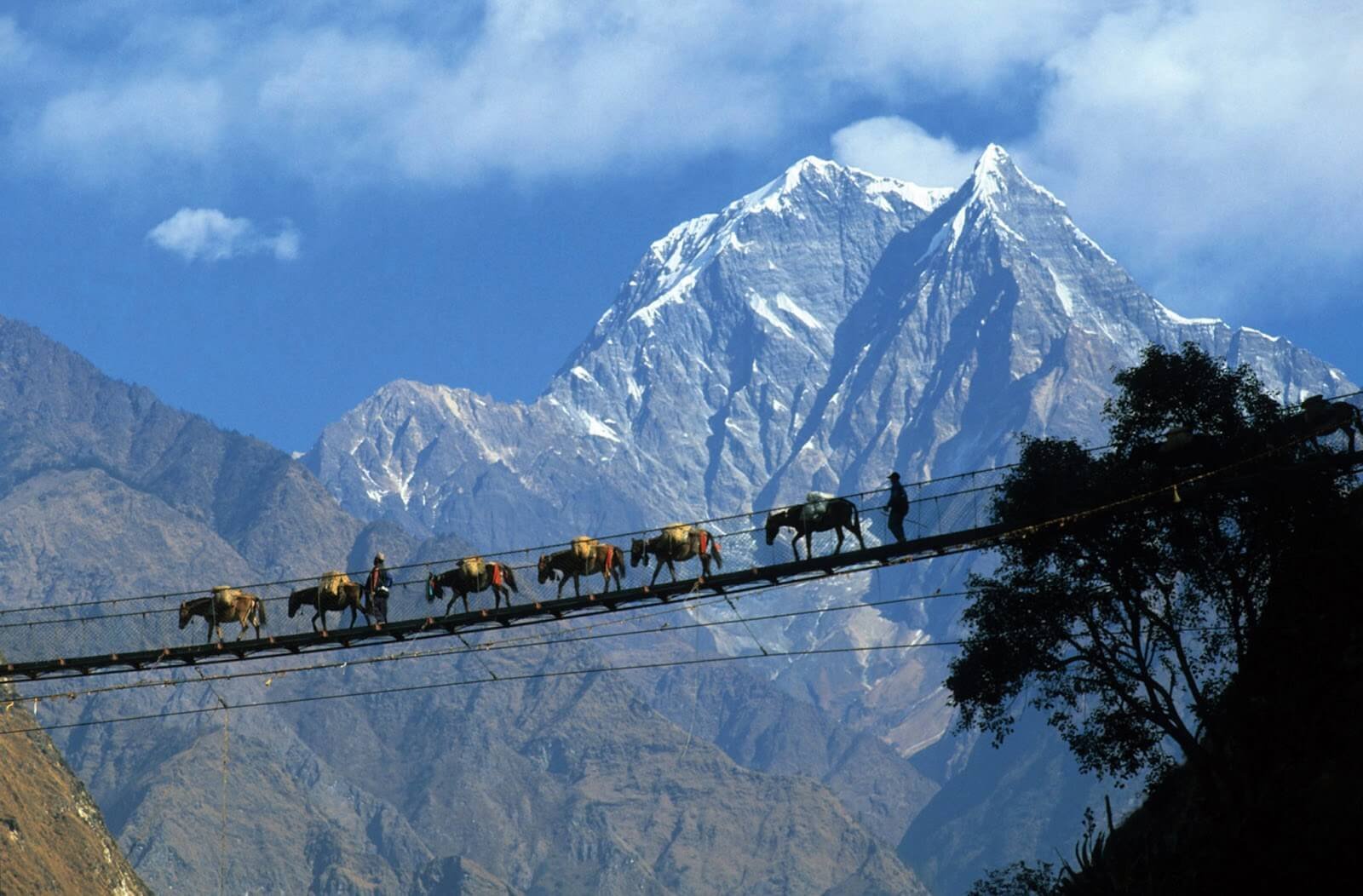
Nepal, the land of the Himalayas, offers some of the world’s most stunning natural landscapes, rich culture, and thrilling adventure opportunities. Whether you’re trekking to the base of Mount Everest, exploring ancient temples, or simply soaking in the country’s vibrant culture, Nepal is a destination like no other. But planning a trip to Nepal can be overwhelming, especially with so many options to choose from. In this ultimate guide, we’ll cover everything you need to know to plan the perfect trip to Nepal, from the best time to visit to top activities and practical tips.
Why Visit Nepal?
Nepal is known for its diverse offerings, including towering mountains, rich culture, and friendly locals. Here are a few reasons why you should consider visiting:
- The Himalayas: Home to Mount Everest, the world’s highest peak, Nepal offers unparalleled trekking experiences and stunning mountain views.
- Rich Cultural Heritage: Nepal’s unique culture, rooted in both Hinduism and Buddhism, is showcased through its ancient temples, festivals, and traditions.
- Adventure Activities: From trekking and mountaineering to rafting, paragliding, and wildlife safaris, Nepal is an adventure lover’s paradise.
When to Visit Nepal
Choosing the right time to visit Nepal is crucial to having an enjoyable experience. The best time to visit largely depends on the activities you want to do.
- Peak Seasons:
- Autumn (September to November): This is the most popular time to visit Nepal, especially for trekking. The weather is dry, with clear skies and pleasant temperatures, making it ideal for outdoor activities.
- Spring (March to May): Another great season for trekking. The weather is mild, and the landscape is lush with blooming rhododendrons. This is also a prime time for cultural festivals.
- Off-Peak Seasons:
- Winter (December to February): While it can get cold, especially in the mountains, winter offers fewer tourists and a more peaceful experience in the cities. However, higher altitude trekking may be difficult due to snow.
- Monsoon (June to August): The monsoon season brings heavy rainfall, which can make trekking difficult and increase the risk of landslides. However, lower altitude treks and jungle safaris are still possible.
Top Destinations in Nepal
Nepal offers a variety of destinations, from bustling cities to serene mountain villages. Here are some must-visit places:
- Kathmandu Valley
The capital city, Kathmandu, is home to UNESCO World Heritage Sites like Swayambhunath Stupa (Monkey Temple), Pashupatinath Temple, and the Boudhanath Stupa. Kathmandu serves as the cultural heart of Nepal, with vibrant markets, ancient temples, and plenty of historical landmarks.
- Pokhara
Known for its stunning views of the Annapurna Mountain Range, Pokhara is a paradise for nature lovers. It offers activities like boating on Phewa Lake, paragliding, and hiking. The city also serves as the starting point for many treks, including the Annapurna Circuit and Ghorepani Poon Hill Trek.
- Everest Region
A trek to Everest Base Camp is a bucket-list adventure for many travelers. The region offers dramatic landscapes, Sherpa culture, and, of course, the chance to view the majestic Mount Everest. For those short on time, consider a mountain flight to witness Everest from the sky.
- Chitwan National Park
For wildlife enthusiasts, Chitwan National Park is a must-visit. The park is home to endangered species such as the Bengal tiger, one-horned rhinoceros, and sloth bears. You can enjoy safaris by jeep, elephant, or canoe, making it a unique experience for nature lovers.
- Lumbini
Lumbini, the birthplace of Lord Buddha, is a spiritual site and one of the holiest places in the world. Pilgrims and tourists alike visit the Maya Devi Temple and other monasteries in this peaceful and serene location.
How to Get Around Nepal
Nepal offers a variety of transportation options for travelers. Depending on your route, here’s how you can navigate the country:
- Flights
For long distances or to reach remote areas like Mount Everest, flights are often the most efficient way to travel. Kathmandu has international airports, and domestic flights connect cities like Pokhara, Lukla, and Bhairahawa.
- Buses
Local and tourist buses are common for traveling between major cities. Public buses are cheaper but can be uncomfortable and crowded. Tourist buses are more comfortable and often come with services like Wi-Fi, but they are more expensive.
- Taxis and Rickshaws
Taxis are readily available in cities like Kathmandu, Pokhara, and Lalitpur. Rickshaws are also common in Kathmandu and can be a fun way to explore the narrow streets of the city.
- Trekking
For adventurers, trekking is the best way to explore Nepal’s remote areas and mountains. Popular trekking routes like the Annapurna Circuit and Langtang Valley can be accessed from various trekking hubs. Remember to hire a licensed guide or porter for safety.
Accommodation Options in Nepal
Nepal offers accommodation for all budgets, from luxury hotels to budget-friendly guesthouses. In major cities like Kathmandu and Pokhara, you can find upscale hotels, while trekking routes provide teahouses and lodges for basic stays. Here’s a breakdown of your options:
- Luxury Hotels
In cities like Kathmandu and Pokhara, you’ll find luxurious hotels offering five-star amenities. Many international hotel chains have properties in Nepal, ensuring high-end services.
- Budget Guesthouses and Hostels
Nepal has plenty of budget-friendly options, especially in tourist areas. Budget guesthouses and hostels are clean, safe, and perfect for solo travelers or backpackers.
- Trekking Lodges
On trekking routes, you’ll find teahouses offering basic rooms with shared facilities. These lodges serve as a great way to interact with locals and fellow trekkers while enjoying hearty meals.
Essential Tips for Visiting Nepal
To make your trip smooth and enjoyable, here are a few essential tips:
- Visa Requirements: Most tourists can obtain a visa on arrival at the Kathmandu Airport, though it’s advisable to check the latest entry requirements before your trip.
- Health and Safety: Make sure to carry a first-aid kit and consult with your doctor about any necessary vaccinations. Altitude sickness is common in the mountains, so it’s essential to acclimatize slowly when trekking.
- Money: The local currency is the Nepalese Rupee (NPR). ATMs are available in major cities, but it’s a good idea to carry cash when traveling to remote areas.
- Travel Insurance: Ensure that you have comprehensive travel insurance that covers trekking and high-altitude activities.
- Local Etiquette: Be respectful of Nepalese customs and traditions. For example, remove your shoes before entering temples, and dress modestly when visiting religious sites.
Conclusion: Your Adventure Awaits
Planning a trip to Nepal is the first step toward an unforgettable adventure. Whether you’re trekking through the Himalayas, exploring ancient temples, or discovering wildlife in national parks, Nepal offers something for every traveler. With proper planning, you can make the most of your time in this beautiful country and create lasting memories.
Call to Action: Ready to explore Nepal’s stunning landscapes, rich culture, and adventure opportunities? Start planning your trip today and embark on the journey of a lifetime!


Comment (0)