

Good morning from Dubai
We kicked off the day with a hearty buffet breakfast and a strong cup of coffee — fuel for a full day of walking and exploring. Soon after, our friend Ramees came to pick us up and we headed toward the Mohammed Bin Rashid Library.
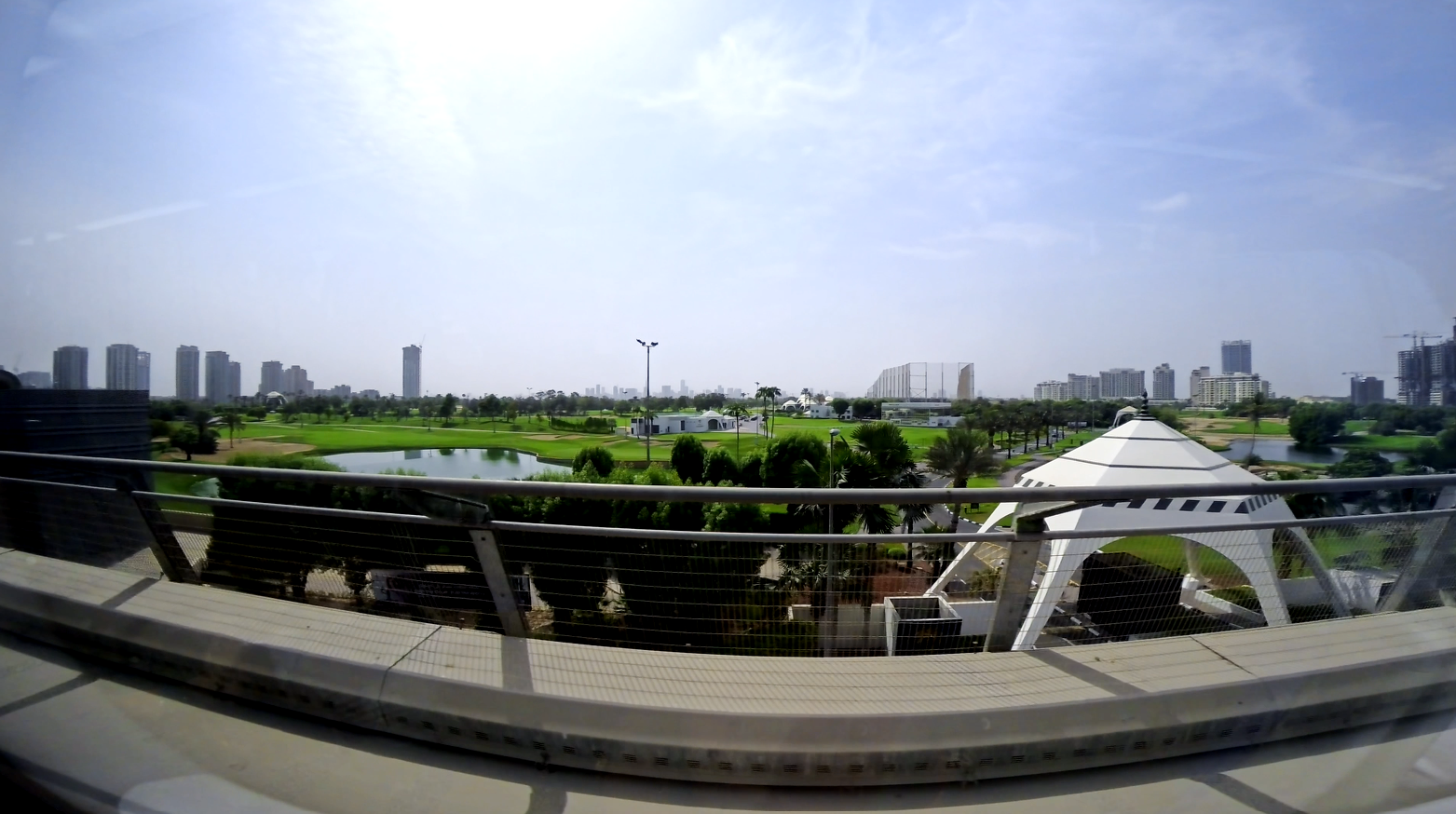
Right away something surprised us: both sides of the road were lined with trees, shaded walkways and tidy gardens. In a place you’d expect only sand and heat, all that green felt almost unreal. That question — how is this possible in a desert? — stayed with us all morning.
How Dubai is growing trees in the desert
Dubai’s greening is the result of planning and technology, not luck. Under programs like the Green Dubai Initiative, the municipality has planted hundreds of thousands of trees and expanded public green space across the city. A few practical pieces make it work:
-
reclaimed and treated wastewater used for irrigation,
-
smart watering systems such as drip irrigation,
-
urban nurseries that raise plants suited to dry climates, and
-
efficient maintenance and planning.
Seeing trees thrive here made us think: if this can be done in the desert, what could Nepal do with its fertile soil and varied climates? That question became one of the themes for our trip: not just seeing Dubai’s sights, but looking for ideas and opportunities we could learn from.
A quick note on desert-reversal techniques
We also looked into similar projects elsewhere. For example, China has used grid-style sand stabilization (sometimes called the straw-checkerboard method) and large-scale planting to slow and reverse desertification. The UAE and Chinese firms have worked together on several green infrastructure and desert-reversal projects. Put simply: with the right mix of tech, water management and planning, it’s possible to bring greenery to dry places.
Mohammed Bin Rashid Library — more than a building
Next stop: the Mohammed Bin Rashid Library, which opened in 2022 near Dubai Creek. The building itself is eye-catching — it’s designed to look like an open book on a traditional stand — but what matters more is what’s inside. The library houses over a million items, including print and digital collections, and has dedicated spaces for children, media and research. It also runs exhibitions, workshops and public programs.
Entry is free for visitors, though some programs or services require booking or membership. Walking through the library, it’s easy to see why a city would invest in a place like this even in the internet age: libraries give people quiet places to study, archives for important materials, and a public venue for learning and discussion.
Stepping into a very different world — Dubai Mall
From the quiet of the library we moved to a very different scene — Dubai Mall. The scale is hard to describe: the mall covers nearly 12 million square feet and houses over 1,200 shops and more than 200 restaurants, plus attractions like an Olympic-size ice rink and the Dubai Aquarium & Underwater Zoo.
If you’re visiting for the first time, interactive map kiosks are a lifesaver — they show which floor a store is on and give walking directions. We wandered through big LED displays, luxury stores and the aquarium tunnel, which is home to thousands of marine animals. Aquarium tickets start around AED 140 depending on the package.
The food court — a very Nepali moment
After so much walking we were starving. The food court has everything — Thai, Indian, Japanese, Arabic — but being Nepali, we just can’t resist rice. We ended up with Thai red curry and rice, and it hit the spot. Rice really does fix the soul, at least for us!
A small travel tip: malls are huge and walking takes time. Use the moving walkways and the map kiosks to save energy and time.
Practical travel tips from the day
A couple of simple tips we picked up:
-
If you plan to explore a lot, try to stay near a metro station — it makes getting around much easier and cheaper.
-
If you get separated from your travel partner in a crowded place and you don’t have phones, agree on a meeting station in advance and wait there. It worked for us.
-
For places like the library, check opening hours and whether special exhibits require booking.
Big-picture takeaway: Can Nepal and Dubai work together?
One of the strongest impressions of the day was the potential for partnerships. Nepal has fertile land, unique high-altitude crops and organic products; Dubai offers technology, logistics, capital and market access. That combination could create export opportunities for things like specialty herbs, high-altitude vegetables and floriculture. At the same time, Nepal could benefit by adapting water-efficient farming and protected agriculture methods from Dubai.
This isn’t just an academic idea — it’s a practical question. What products could Nepal export to Dubai? What technologies would help our farmers? We’d love to hear your thoughts.
Want to watch the episode?
If you want to see the full video for Episode 2 — including the library walkthrough and mall visit — check our YouTube channel Pranam Vlog. And if you liked this post, please like, comment and subscribe so we can keep sharing the rest of our Dubai series.
Next up: Episode 3 — Deira to Dubai Internet City, old Dubai stories, and an evening food walk.


Comment (0)