

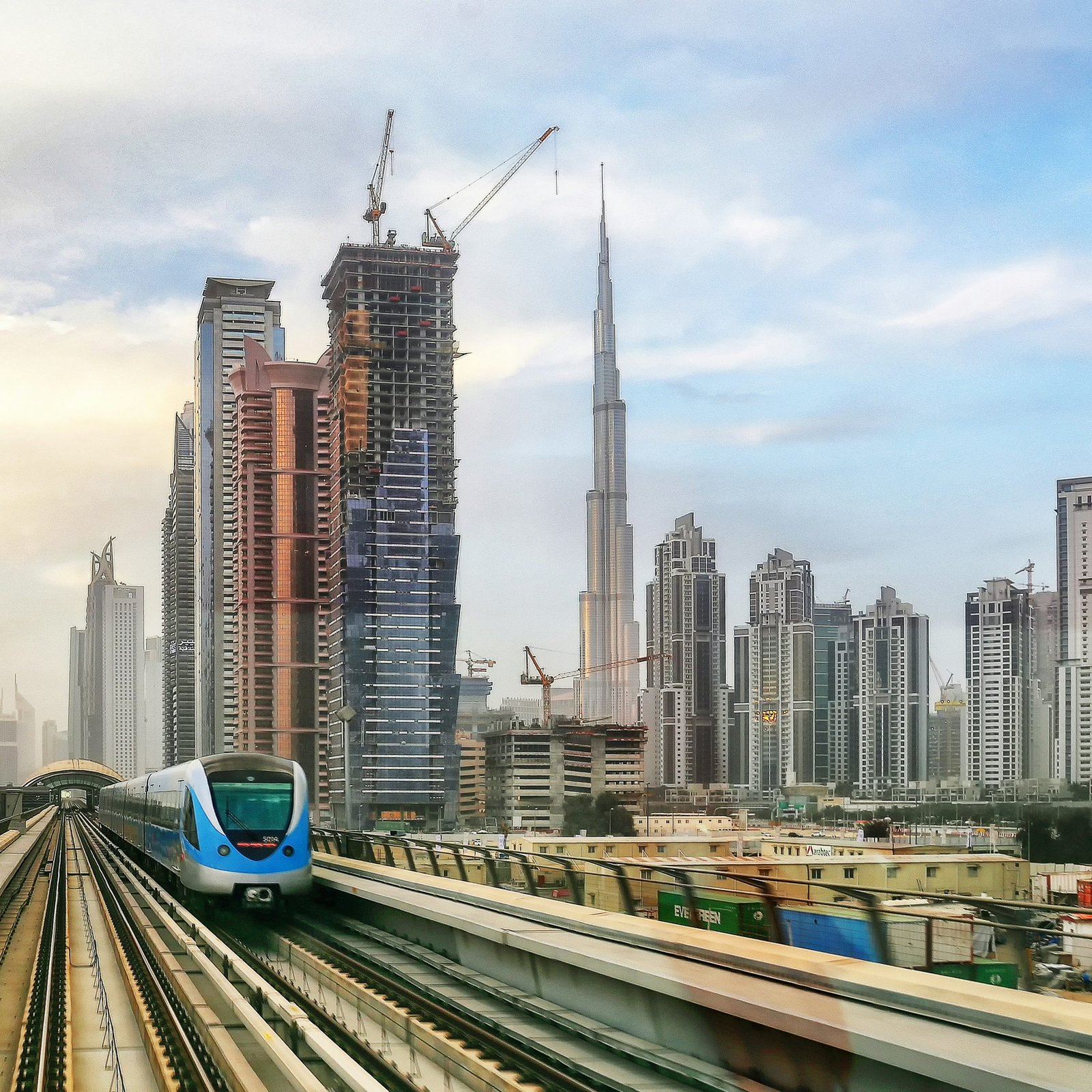
From Skyline to Railway Tracks
Welcome back to Pranam Vlog and to Episode 4 of our Dubai travel series. Today’s episode is dedicated to something millions of people use every day — the Dubai Metro.
In Dubai Internet City, the roads are calm, the buildings shine in the morning sun, and the city feels like it is waking up. Soon after, we step inside the metro station and the atmosphere changes instantly: cool air-conditioning, a steady flow of commuters, clean platforms and electronic signs guiding everyone.
This episode focuses less on conversation and more on the journey — so this blog post expands on everything you need to know about the Dubai Metro.
Dubai Metro — A Modern Lifeline of the City
Dubai Metro is more than a public transport system. It’s a symbol of the city’s growth and planning.
Here are some quick facts:
-
The metro opened in 2009.
-
It carries over 600,000 passengers per day on average.
-
It is fully automated — one of the world’s longest driverless metro networks.
-
The metro lines are colour-coded:
-
Red Line (the main spine of the city — airports, Marina, Mall of Emirates, Burj Khalifa)
-
Green Line (Old Dubai — Deira, Bur Dubai, Creek)
-
Route 2020 Extension (to Expo City 2020 and Dubai South)
-
For travelers, the metro changes everything: it’s affordable, clean, fast and extremely predictable. If you’re planning a trip to Dubai, staying close to a metro station makes your whole visit much easier.
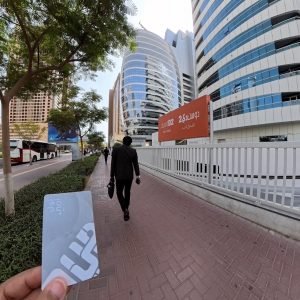
Understanding NOL Cards — Your Ticket to Travel
To use the metro, tram, bus or even some taxis, you need a Nol card. There are different types:
Silver Card
The most common card for everyday travel — affordable and ideal for visitors.
Gold Card
Gives access to the Gold Class cabin — more space, quieter, premium seating.
Blue Card
Registered personal card (mainly used by residents).
Red Ticket
A paper ticket for occasional travelers — not as cost-effective as Silver.
Fares depend on zones, but metro travel remains one of the most budget-friendly ways to explore Dubai.
Our Journey — Internet City → Al Khail (Al Fardan Exchange) → Expo 2020 → Dubai World Central
From Dubai Internet City Metro Station, we tap our Nol card and catch the Red Line. The trains are spacious, the AC feels amazing after the outside heat, and the city glides past in fast motion through the large windows.
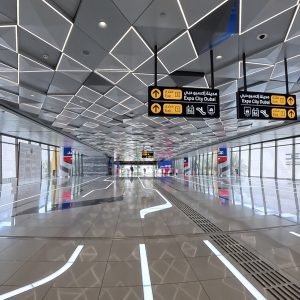
After reaching the Al Khail Metro Station (near Al Fardan Exchange), we transfer to another train heading toward Expo 2020 — a station built specially for the Route 2020 extension. The design is huge, open, and impressive, with futuristic architecture that matches its theme.
From Expo 2020 Metro Station, we exit the metro system and board an RTA bus heading toward Dubai World Central (DWC) — our final destination for the day. The connection between metro and bus is quick and seamless, showing how well-planned Dubai’s public transport really is.
Why the Dubai Metro Matters
As we say in the vlog’s outro, Dubai Metro is more than just convenient — it’s essential to daily life for both residents and tourists.
It reduces traffic, keeps travel costs affordable, and connects all major parts of the city. With reliable AC, safety, cleanliness and punctuality, it stands out from many metro systems worldwide.
For visitors, it’s the easiest way to explore Dubai without worrying about taxis or long distances.
What’s Next?
Episode 4 gives a complete look at how we used the metro to reach Dubai World Central. In Episode 5, we’ll continue exploring Dubai with more places, experiences and stories to share.
Thank you for following our journey so far. Stay tuned, comment, share and subscribe to Pranam Vlog for more travel episodes.


Comment (0)